
Engineering Services and training by First Class Operations
Facilities Operations
Facilities operations refer to the management and maintenance of an organization's physical infrastructure and assets, including buildings, grounds, equipment, and systems. This involves ensuring that facilities are safe, efficient, and compliant with regulations. Key aspects of facilities operations include routine maintenance, repairs, cleaning, security, energy management, and space planning. The goal is to provide a well-functioning and comfortable environment for employees, customers, and visitors while optimizing resources and minimizing operational costs. Facilities operations play a crucial role in supporting the overall productivity and sustainability of an organization.
Boiler Operation Engineering
A boiler engineer is a skilled professional responsible for the operation, maintenance, repair, and safety of boiler systems that provide heating, hot water, or steam in various settings, such as industrial plants, commercial buildings, and residential complexes. Their duties include inspecting and monitoring boiler performance, troubleshooting and fixing issues, conducting routine maintenance, and ensuring compliance with safety standards and regulations. Boiler engineers must have a strong understanding of mechanical systems, thermodynamics, and relevant codes, and they often hold specialized certifications or licenses to operate and maintain boiler equipment safely and efficiently.
Chiller Operation Engineering
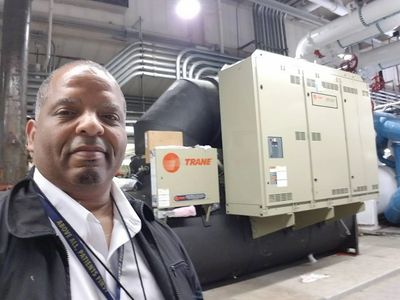
A chiller plant engineer is a specialized professional responsible for the operation, maintenance, and optimization of chiller plants, which are systems that provide cooling for large buildings, industrial facilities, or campuses. Their duties include monitoring and adjusting chiller performance, troubleshooting mechanical and electrical issues, conducting regular maintenance, and ensuring energy-efficient operation. Chiller plant engineers must have a deep understanding of refrigeration cycles, HVAC systems, and control systems, as well as knowledge of safety standards and regulations. They play a critical role in ensuring reliable cooling, energy efficiency, and system longevity in various settings.
Preventive Maintenance
Preventive maintenance in engineering refers to the routine inspection, servicing, and upkeep of equipment, machinery, and systems to prevent unexpected failures and extend their lifespan. It involves regularly scheduled tasks such as cleaning, lubrication, adjustments, parts replacement, and performance checks to identify potential issues before they lead to breakdowns. The goal of preventive maintenance is to maintain optimal functionality, enhance safety, reduce downtime, and minimize repair costs by addressing problems proactively. This approach is critical in ensuring reliability, efficiency, and longevity of assets across various engineering and industrial settings.
Basic Electrical
Electricians in facilities engineering services are responsible for installing, maintaining, repairing, and upgrading electrical systems and equipment within a building or facility. Their work includes troubleshooting electrical issues, performing routine inspections, replacing faulty components, and ensuring systems are safe, efficient, and compliant with electrical codes and standards. Electricians handle tasks such as wiring, lighting, power distribution, emergency power systems, and control systems, playing a critical role in ensuring reliable and uninterrupted power supply and enhancing the overall safety and functionality of the facility.
HVAC
HVAC technicians in facilities engineering services are responsible for the installation, maintenance, repair, and optimization of heating, ventilation, and air conditioning systems within a building or facility. Their duties include inspecting and diagnosing issues with HVAC equipment, performing routine maintenance, replacing faulty components, adjusting controls for energy efficiency, and ensuring systems operate safely and effectively. They work with a variety of systems, including furnaces, air conditioners, chillers, boilers, and ventilation systems. HVAC technicians play a key role in providing a comfortable and healthy environment, ensuring proper indoor air quality, and optimizing energy use in facilities.
Building Automation
Building Automation in facilities engineering services involves the use of automated systems and technologies to control and monitor a building's mechanical, electrical, and plumbing systems, such as HVAC, lighting, security, and energy management. The purpose of building automation is to enhance efficiency, comfort, and safety by providing centralized control and real-time monitoring, allowing for automated adjustments based on occupancy, time schedules, or environmental conditions. These systems help reduce energy consumption, lower operational costs, improve system reliability, and provide data insights for proactive maintenance and decision-making, ultimately contributing to a more sustainable and optimized facility operation.